


From Origins to Spiritual Significance
In the tapestry of global botanical history, the herb holds a remarkable and varied position. Its journey began in the vast landscapes of Central Asia, where this unassuming plant would embark on an adventure, touching nearly every major civilization across the globe.
The ancient Chinese, known for their meticulous and holistic approach to medicine, discerned the multifaceted utility of the herb. Texts from this era detail its applications in addressing everything from commonplace aches to more intricate health issues. Furthermore, its fibrous nature meant it was adopted in various domestic avenues, including the creation of textiles.
Moving south-westward to the Indian subcontinent, the narrative of the herb takes a decidedly spiritual turn. Here, it was revered not merely as a plant, but as a means to enlightenment. A concoction named ‘Bhang,’ fashioned by grinding the herb into a paste and mixing it with milk and spices, evolved as both a cultural and spiritual cornerstone. Predominantly consumed during the Holi festival, Bhang was seen not just as a beverage but as a sacrament—a connection to the divine.
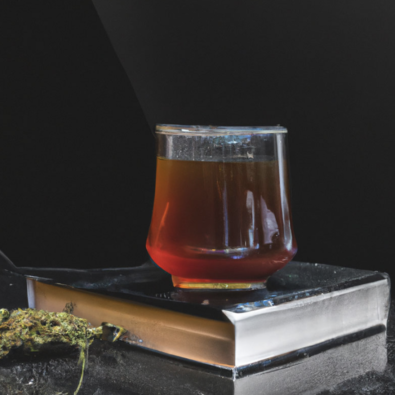
Additionally, the calming and therapeutic properties of the herb, when steeped as a tea, were recognized and cherished. This warm brew was often taken to enhance relaxation, ease pain, and even to enrich spiritual meditation.
Venturing further to the windswept territories of Persia, the herb found its way into numerous religious and cultural ceremonies, solidifying its pivotal role in Middle Eastern traditions and marking yet another chapter in its rich global history.

The Classical Era to Colonial Times
Cannabis history also reaches into Greece and Rome. Greek records mention the plant in practical and medicinal settings, including use around horse care and injuries.
In Rome, Pliny the Elder wrote about cannabis in Natural History. His work helped record the plant’s practical value in the ancient world.
As Europe moved into the Middle Ages, hemp became especially important. Hemp, a variety of cannabis, gave people strong fibre for ropes, textiles, sails and early paper.
Ships often relied on hemp ropes and sails. Because of this, the plant became closely linked with trade, exploration and naval power.
During the colonial era, European settlers carried hemp seeds to new lands. Some colonies even required farmers to grow hemp because it served so many practical uses.
Knowledge also moved in both directions. Settlers learned from indigenous communities, while cannabis and hemp became part of wider farming and craft traditions.
Modern Challenges and Renaissance
The 20th century, in stark contrast to the millennia that preceded it, would prove to be a tumultuous era for cannabis. Societal shifts, international politics, and changing economic landscapes all played their parts in reshaping the narrative around the plant.
The Age of Prohibition
Beginning in the early 1900s, the United States and subsequently many countries around the world began to view cannabis with increasing scepticism. Factors ranging from sensationalist media campaigns to political motivations fuelled this sentiment. The term “marijuana” became popularized during this era, a linguistic change designed to associate the plant with
Mexican immigrants and leverage xenophobic tendencies. Films like “Reefer Madness” exaggerated and misrepresented the effects of cannabis, further embedding fear into the public’s perception.
Economic motivations played a role as well. Powerful industries felt threatened by the potential of hemp – an efficient and sustainable alternative to many raw materials. The timber industry, for instance, eyed the burgeoning hemp paper market warily, recognizing it as a potential threat to their dominance.

By the mid-20th century, international treaties like the Single Convention on Narcotic Drugs solidified the plant’s illicit status on the global stage. Cannabis found itself vilified and banned in a vast majority of countries, its rich history almost entirely overshadowed.
Emergence from the Shadows
The latter half of the 20th century, however, initiated whispers of change. In the 1960s and 70s, counter-culture movements in the U.S. and Europe began to challenge prevailing orthodoxies, and cannabis became a symbol of rebellion and a call for personal freedom.
Scientific curiosity, coupled with anecdotal evidence of cannabis’s therapeutic potential, paved the way for ground-breaking research. The late 20th century saw the identification of the human endocannabinoid system – a crucial physiological system involved in establishing and maintaining human health. This discovery led scientists to understand more deeply how cannabis compounds, especially THC and CBD, interacted with our bodies.
The dawn of the 21st century further accelerated the plant’s renaissance. Patient advocacy played a pivotal role. Stories of individuals finding relief from debilitating conditions through cannabis, even when traditional medicines failed, gained media attention. Countries like Canada, Uruguay, and various states in the U.S. began to reconsider and ultimately change their stance on cannabis prohibition.

As we progress through the 21st century, the global trend toward acceptance continues to gather momentum. International bodies, researchers, and policymakers are now engaged in collaborative efforts to understand the herb’s full potential and integrate it responsibly into modern societies.
The Rise of Modern Consumption: Vaping Takes Centre Stage
With the de-stigmatization and growing acceptance of the herb, there arose a need for innovative, efficient, and health-conscious consumption methods. Traditional smoking, while still prevalent, posed health concerns due to the combustion of plant material. Enter vaping — a method that heats the herb to release its active compounds without reaching the point of combustion. This process ensures that users can enjoy the benefits of the herb without many of the harmful by-products of smoke.
Leading the charge in this vaping revolution are brands like PAX and Puffco.
PAX: A name synonymous with sophistication and quality in the vaping world, PAX has pioneered devices that have set industry standards. Combining sleek design with robust functionality, PAX vapes offer users an unparalleled experience. Their vaporizers, known for their precise temperature control and long battery life, cater to both novices and connoisseurs alike. The emphasis PAX places on discreet design and user-friendly interfaces makes them a preferred choice for many.
PUFFCO: On the other hand, Puffco stands as a testament to innovation in the vaping domain. Their Peak vaporizer, for instance, has been lauded for its ability to deliver consistent and flavourful vapor, optimizing the herb experience. The brand’s dedication to purity ensures that every draw from a Puffco vape is as untainted as possible, providing users with a clear and authentic representation of their chosen herb strain or concentrate.
In the grand tapestry of the herb’s journey, the emergence of vaping, spearheaded by brands like PAX and Puffco, marks an exciting chapter. This new method of consumption, embraced by a new generation of herb enthusiasts, is indicative of the plant’s evolving relationship with technology and modern lifestyles.