

Conduction vs Convection Vaporizer Heating
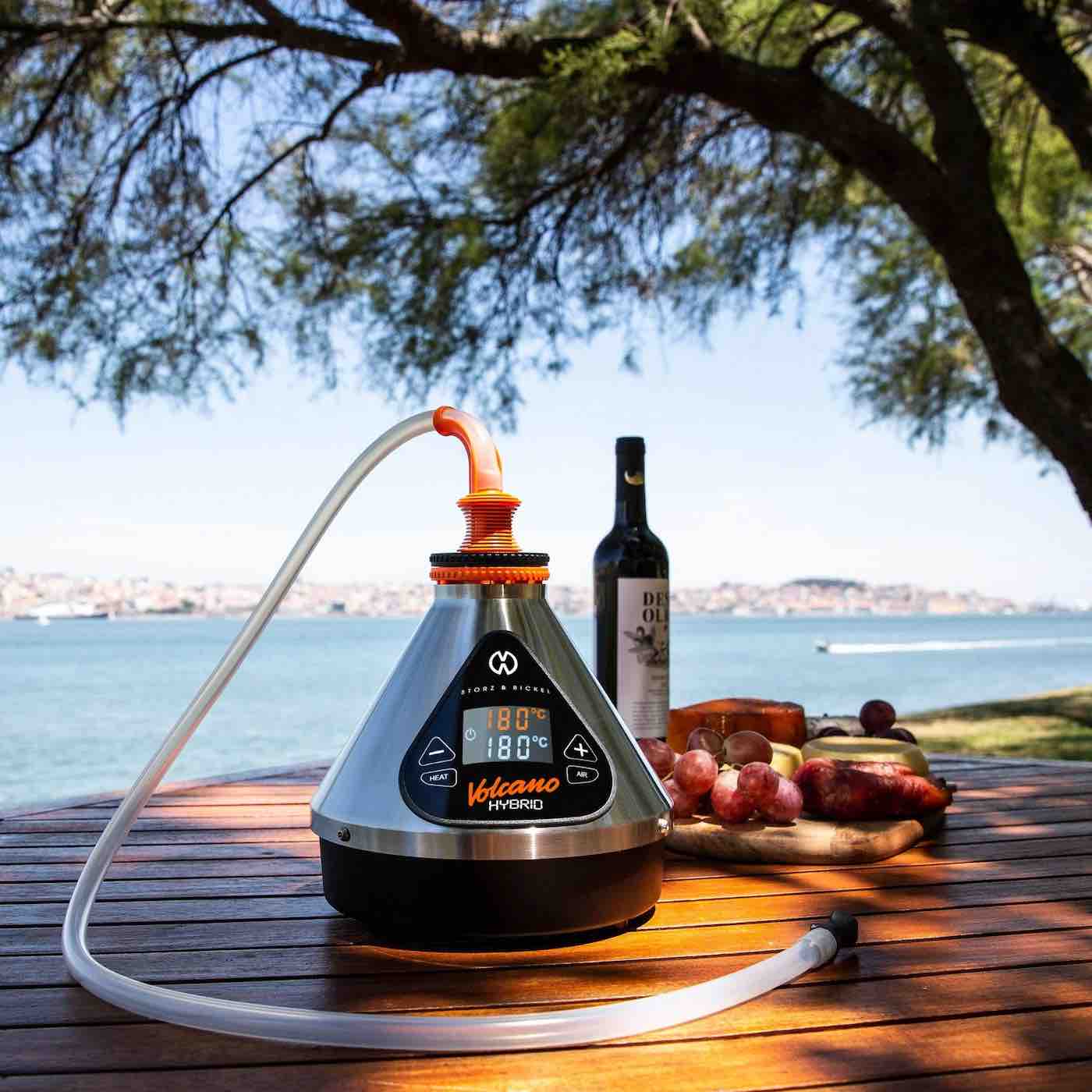
A conduction vs convection vaporizer comparison helps explain how dry herb devices heat material without burning it. Traditional smoking uses combustion, where the herb ignites and produces smoke. Vaporizers work differently because they heat the material to release vapour while avoiding direct burning. Some devices use conduction, where the herb touches a heated surface. Others use convection, where hot air moves through the herb. Both methods can create a smoother, cleaner-feeling session when the device controls temperature well.
Temperature Tiers: Unlocking Different Compounds
The allure of vaporization lies not just in its health benefits but also in the unparalleled control it offers users over their experience. Each temperature tier releases distinct compounds from the herbs. For cannabis aficionados, for instance, lower settings (around 320°F or 160°C) primarily release aromatic terpenes that give the plant its distinct aroma and flavour. Raising the heat to between 175°C to 187°C liberates THC, the main psychoactive component. At even loftier temperatures, spanning 187°C to 221°C, CBD makes its appearance, a non-psychoactive compound noted for its plethora of potential health benefits. With the granularity of control that modern vaporizers offer, users can craft their session, targeting specific compounds and effects.
The Role of Technology: Ensuring Precise Temperature Control
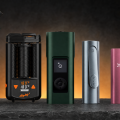
Modern vaporizers are not merely about heating; they are marvels of technological innovation. Ensconced within their stylish designs are intricate systems dedicated to granting users unparalleled control over their sessions. Precision is paramount. Fail to heat enough, and you’re left wanting; overdo it, and you veer into the realm of combustion. Recognizing this, several trailblazing brands, including PAX, Arizer, and Davinci have heavily invested in R&D to ensure impeccable temperature consistency. They factor in nuances like the draw speed of the user and the resistance of the herb being vaporized. Some, like the DaVinci IQ even feature dedicated smartphone apps, allowing users to adjust settings down to the exact degree. With such attention to detail, every draw from these devices becomes a masterclass in optimized vaporization.
Pioneers of the Vaporization Landscape: Spotlight on Arizer and PAX
In the ever-evolving vaporizer industry, Arizer and PAX have firmly established themselves as stalwarts. Both brands have become bywords for reliability, innovation, and user-centric design. Arizer’s vaporizers, such as the Arizer Solo and Air series, boast of durability and precision, offering users the kind of robust performance and flavourful vapor that has garnered them a loyal fanbase.
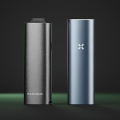
PAX, conversely, is revered for its marriage of aesthetics and performance. Devices like the PAX 3 are not only visually arresting but are also engineered for perfection. With advanced temperature settings, user feedback systems, and a reputation for producing consistently pure vapor, PAX has set benchmarks for others to follow.
Both brands embody the ongoing evolution of the vaporization industry, where technological advances meet user needs. This union promises not only enhanced experiences but also underscores the importance of being an informed and discerning consumer in today’s age.